Dubai stands as a prime destination for French expats seeking sunshine, professional opportunities and exceptional quality of life. But living in the Emirates requires precise budget management. The cost of living Dubai in 2026 remains high on certain items, particularly housing and education, yet the complete absence of income tax compensates largely for many profiles. Here's a detailed overview of real expenses.
Housing: the major budget item
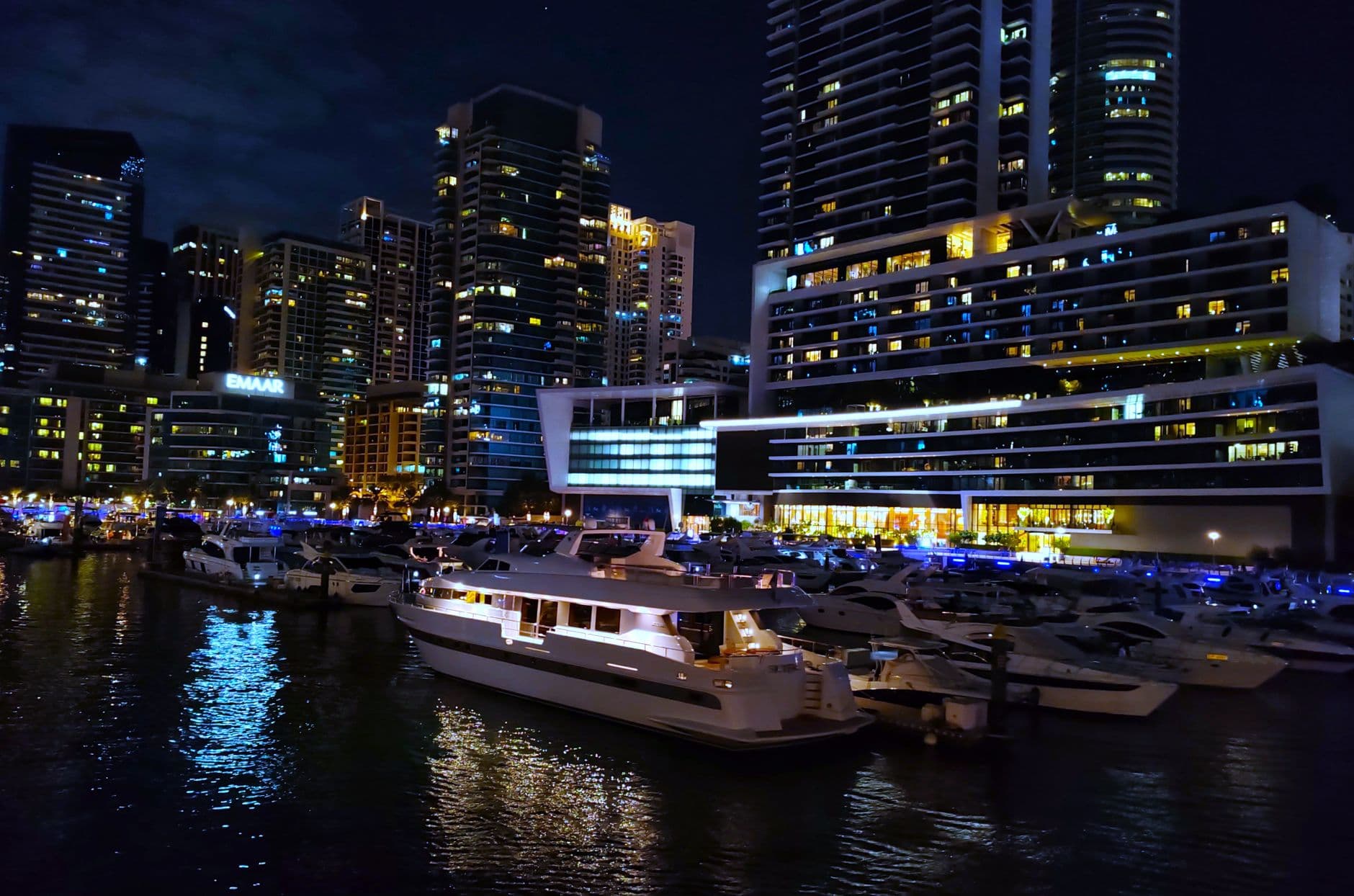
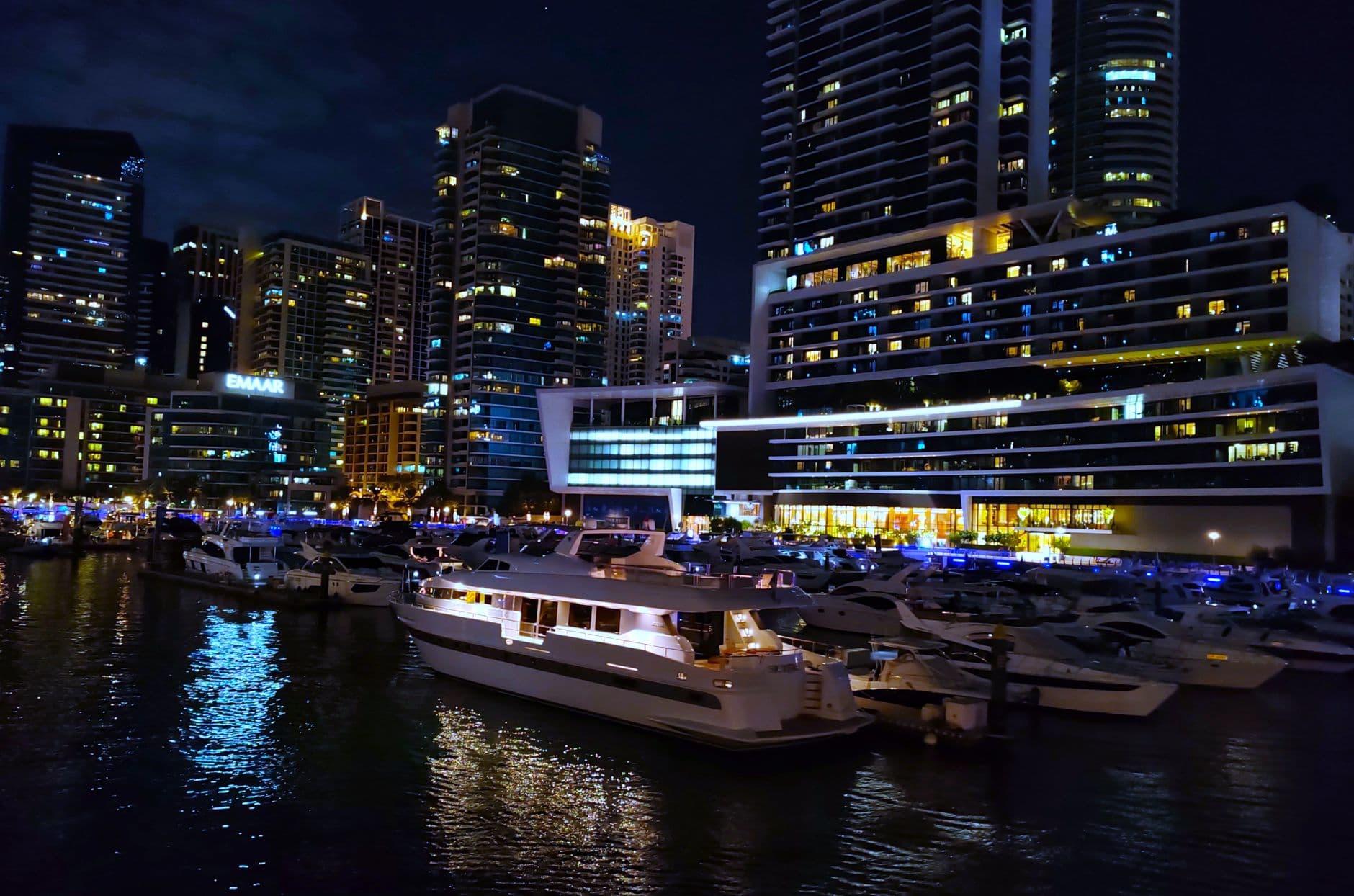
Rent represents the largest share of monthly budget. In Dubai Marina, a modern studio demands between 60,000 and 85,000 AED annually, meaning 5,000 to 7,100 AED monthly. A one-bedroom in the same area climbs to 90,000-130,000 AED yearly. For families, a three-bedroom in Downtown Dubai or JBR easily costs 150,000-220,000 AED per year.
Neighborhoods like Arabian Ranches or Dubai Hills Estate offer villas with gardens starting from 180,000 AED annually for three bedrooms, an amount that can double for high-end properties with private pools. Most contracts require one annual check or four quarterly checks. Also anticipate a security deposit equivalent to one month's rent, and agency fees represent 5% of annual rent.
Dubai Small supports newcomers in their search for accommodation adapted to budget and desired neighborhood. Our team knows the good deals and emerging areas offering better value for money.
Food and daily groceries
Supermarkets like Carrefour, Spinneys or Waitrose offer international products, including French items. Count 1,200-1,800 AED monthly for a single person with a balanced basket of local and imported products. A family of four easily spends 3,500-5,000 AED monthly.
Local products (vegetables, Middle Eastern fruits, chicken, rice) remain affordable. However, French cheeses, fine charcuterie and imported wines cost two to three times more than in France. A good compromise consists of favoring local markets (Deira, Karama) for fresh produce and hypermarkets for imported items.
Dining out varies enormously. A meal in a mall food court costs 30-50 AED. Dinner in a modern international restaurant runs around 150-250 AED per person with drinks. Friday brunches, a local institution, demand 250-400 AED with alcohol included.
Transport and urban mobility
Dubai Metro remains the most economical option: a rechargeable Nol card costs 25 AED, and daily trips amount to 200-300 AED monthly for regular use. Taxis and apps (Uber, Careem) charge 1.96 AED per kilometer on average, with a minimum of 12 AED per ride.
Most expats opt for a personal car. Buying a recent vehicle demands 60,000-120,000 AED depending on model. Fuel remains cheap: approximately 2.75 AED per liter in 2026, meaning 300-400 AED monthly for standard usage. Car insurance varies between 2,500 and 6,000 AED annually depending on driving history.
To discover Dubai with style, Dubai Small offers a fleet of premium vehicles available for rent with 250 km per day included. Free delivery to your hotel applies for any reservation over three days. Ideal for newcomers exploring the city before buying their own car. Check our vehicle catalog for available 2025-2026 models.
Education and children's schooling
French international schools (Lycee Francais International Georges Pompidou, AFLEC) charge between 40,000 and 75,000 AED annually per child depending on level. British and American schools quote similar ranges, even higher for most reputed establishments like GEMS or Repton. To compare the AEFE-accredited French schools and their exact fees before choosing, see our complete guide to French schools in Dubai.
These fees generally include textbooks and school activities, but not transport or uniforms (count 1,000-1,500 AED extra per year). Some employers partially or fully cover school fees in the expat package, which radically changes the budget equation.
Private nurseries and kindergartens demand 30,000-50,000 AED annually. Waiting lists can be long for most sought-after establishments, anticipate your registration several months ahead.
Utilities and monthly charges
Electricity and air conditioning (DEWA) represent a significant item in Dubai. Count 500-800 AED monthly for a two-bedroom apartment in summer (June-September), and 300-500 AED the rest of the year. Villas consume more: 1,200-2,000 AED in peak summer.
Water remains included in the DEWA bill, with average consumption of 50-80 AED monthly. Fast fiber internet (250-500 Mbps) costs 300-400 AED per month with du and Etisalat operators. Mobile plans with unlimited data run around 150-250 AED monthly.
Service charges in modern buildings vary between 8 and 25 AED per square foot annually, meaning approximately 800-2,000 AED monthly for a standard apartment. These charges cover maintenance of common areas, pool, gym and security.
Leisure activities and outings
Dubai offers an infinite range of activities. A premium gym membership (Fitness First, Gold's Gym) costs 300-500 AED monthly. Private beach clubs (Nikki Beach, Blue Waters) charge 150-300 AED per day or offer annual memberships between 8,000 and 15,000 AED.
Theme parks like IMG Worlds demand 300-350 AED adult entry. A cinema ticket in a modern multiplex costs 40-60 AED. International concerts and sporting events vary from 200 to 2,000 AED depending on category.
For a premium experience, our experts organize yacht outings on the Persian Gulf, jet ski and desert safari with professional drivers and adapted vehicles. Discover our complete offering on the Dubai activities page. Important reminder: our rental vehicles cannot be used for desert or off-road, desert activities are done exclusively with our specialized partners.
Health and medical insurance
Health insurance remains mandatory in Dubai. Employers generally provide basic coverage. For premium international insurance covering private hospitalization and repatriation, count 8,000-18,000 AED annually per adult. Children add 4,000-8,000 AED each.
A consultation with a general practitioner in private clinic costs 300-500 AED. Specialists charge 500-800 AED per consultation. Public hospitals offer reduced rates but waiting times are longer. Pharmacy remains accessible with affordable generic medications.
Dental care is not always covered by basic insurance. A scaling costs 300-400 AED, a crown between 1,500 and 3,000 AED depending on material.
Taxation and budget optimization
The great advantage of Dubai remains the complete absence of income tax for individuals. A gross salary of 20,000 AED remains 20,000 AED net. This saving largely compensates for the high cost of housing and education for many profiles.
Since 2023, a 9% corporate tax applies to profits exceeding 375,000 AED annually, but this doesn't concern employees. Freelancers and entrepreneurs can create a company in a freezone to benefit from advantageous tax conditions. At our concierge, we support business creation with choice of freezone adapted to your activity. Check our doing business in Dubai page to understand available options.
The 5% VAT applies to most goods and services, one of the lowest rates worldwide. No property tax, no residence tax, no social contributions. For a French executive with good salary, the annual tax gain can reach several tens of thousands of euros.
Realistic monthly budget by profile
Single without children (comfortable life): - Rent studio/1-bedroom: 6,000 AED - Food and outings: 2,500 AED - Transport (car or metro-taxi mix): 1,200 AED - Utilities and internet: 800 AED - Leisure gym beach: 800 AED - Health insurance: 800 AED - Total: 12,100 AED monthly
Couple without children (pleasant life): - Rent 2-bedroom modern area: 10,000 AED - Food and restaurants: 4,000 AED - Car (leasing fuel insurance): 2,500 AED - Utilities and services: 1,200 AED - Leisure and weekends: 2,000 AED - Health insurances (x2): 1,600 AED - Total: 21,300 AED monthly
Family with two children (standard comfort): - Rent 3-bedroom or villa: 15,000 AED - Food and groceries: 5,000 AED - Car (purchase amortized): 2,000 AED - International schools (x2 children): 9,000 AED - Villa utilities and services: 2,000 AED - Family leisure: 2,500 AED - Health insurances (x4): 2,500 AED - Total: 38,000 AED monthly
These budgets represent comfortable but not extravagant living standards. You can obviously live with less by choosing outlying neighborhoods (International City, Discovery Gardens) or limiting outings. Conversely, expats with generous packages can easily double these amounts with Palm Jumeirah villas, ultra-premium schools and high-end leisure.
Conclusion and personalized support
The cost of living Dubai in 2026 remains high on key items like housing and education, but the absence of taxes and exceptional quality of life justify the choice for thousands of French people every year. The essential consists of calibrating your budget well before arrival and surrounding yourself with good advice.
Dubai Small supports your complete installation: housing search, freezone company creation, visa obtaining, and of course access to our premium vehicle fleet to discover your new city. Don't forget our rentals include 250 km per day, free delivery from three days, and require a mandatory physical driving license.
Contact our team on WhatsApp for tailored support and precise answers to your personal situation. Living in Dubai requires preparation, but with the right partners, the experience becomes extraordinary.
Frequently asked questions
What salary to live comfortably in Dubai in 2026?
For a single person, 15,000 AED monthly allows comfortable living with decent accommodation, regular outings and savings. A couple without children should target 25,000 AED. A family with two children enrolled in international school requires minimum 45,000 AED to cover rent, schools and current expenses without depriving themselves.
Is cost of living Dubai more expensive than Paris?
Dubai generally costs more on housing and international education. However, the complete absence of income tax changes the equation: a salary of 20,000 AED remains 20,000 AED net. Fuel, restaurants and leisure are comparable or cheaper than Paris. The final balance strongly depends on your family and professional situation.
What are the cheapest neighborhoods to live in Dubai?
International City, Discovery Gardens, Deira and Bur Dubai offer the most accessible rents, with studios starting from 30,000-40,000 AED annually. These neighborhoods are more outlying and mainly inhabited by Asian expats. Public transport remains efficient to reach business areas like DIFC or Media City.
Do you need a car to live in Dubai or is metro enough?
The metro covers Downtown, Marina and main tourist areas well. For a single person working on a metro line, it's sufficient with taxi-Uber complement. Families and those working in unserved areas prefer a car. Fuel remains cheap (2.75 AED per liter) and road network excellent. Dubai Small offers rentals with 250 km per day included.
Are international schools in Dubai worth their price?
International schools in Dubai offer high academic level with modern infrastructure and globally recognized programs (IB, IGCSE, French baccalaureat). Fees of 40,000-75,000 AED annually per child remain a heavy investment, but many employers include partial or full coverage in the expat package, which radically changes the deal.
Can you rent a luxury car to discover Dubai long term?
Absolutely. Dubai Small offers long-term rentals of premium vehicles with 250 km per day included and free delivery from three days. Physical driving license remains mandatory, a photo is not enough. Security deposit is paid in cash, card or crypto and is kept 21-28 days for potential fines.
Are there hidden taxes in Dubai to account for?
No. Dubai applies no income tax on individuals, no property tax, no residence tax. The 5% VAT on goods and services remains the only direct levy. Companies pay 9% tax on profits exceeding 375,000 AED annually since 2023, but this doesn't concern employees. No social charges like French CSG or CRDS.