Why Dubai Attracts French Nationals in 2026
Expat life in Dubai represents today a credible alternative to France for thousands of French professionals and entrepreneurs. The United Arab Emirates offer a favorable tax environment (0% personal income tax), exceptional safety, premium quality of life and a global hub position between Europe, Asia and Africa. In 2026, over 40,000 French nationals officially reside in the Emirates, and this figure keeps growing. Dubai Small supports this expanding community through every installation step.
This practical guide details the 5 pillars of successful expat relocation: obtaining a residence visa, creating or joining a legal structure, finding accommodation, getting a local driving license and enrolling your children in school. Each section covers concrete procedures, real timelines and common mistakes to avoid.
Residence Visa: Your First Mandatory Step
A UAE residence visa is mandatory for any stay exceeding 90 days. Unlike the tourist visa (30 or 90 days depending on nationality), the residence visa allows you to live, work, open a local bank account and register a vehicle. French nationals obtain this visa via four main routes: freezone company setup (entrepreneur visa), hiring by a local company (employee visa), qualifying real estate purchase (investor visa, minimum 2 million AED approximately 500,000 EUR), or Golden Visa (investment 2 million AED minimum or exceptional skill).
The most popular route for entrepreneurs remains freezone company creation. A freezone license grants 1 to 3 visas depending on the chosen package (sometimes more for premium licenses). The complete process takes 3 to 6 weeks: company opening (1-2 weeks), visa and Emirates ID application (1-2 weeks), mandatory medical fitness test (blood test and chest X-ray, 1 day), then Emirates ID issuance (1-2 additional weeks). Dubai Small manages the entire process: freezone selection adapted to your activity, file assembly, administrative follow-up, medical appointment and document collection.
The standard residence visa is valid 2 or 3 years depending on freezone and license type. It must be renewed before expiration, otherwise penalties apply (200 AED per day overstay after a 30-day grace period). Your passport must have minimum 6 months validity when applying.
Setting Up Your Freezone Company or Working as Employee
To obtain a residence visa, you must be attached to a legal entity in the Emirates. Two main scenarios for French expats: create your own company or join an existing company as employee.
Freezone company setup: freezones (free zones) allow you to own 100% of your company capital, repatriate 100% of profits, pay 0% corporate tax if you meet Qualifying Free Zone Person conditions (no physical mainland office, qualifying income only). The most popular freezones for French nationals in 2026 are IFZA (Dubai, value for money), DMCC (Dubai, prestige and facilitated banking), Meydan (Dubai, ideal for consultants and freelancers), RAKEZ (Ras Al Khaimah, economical), SHAMS (Sharjah, for media and creative activities). Each freezone offers specific authorized activities: our team guides you toward the one matching your project (consulting, e-commerce, trading, tech, marketing, etc.).
The setup timeline varies from 1 to 3 weeks depending on freezone and file complexity. Required documents: valid passport, ID photo, summary business plan (sometimes), proof of address (recent bill in your name). Some freezones request a diploma or CV for certain activities. Discover our company setup support for a turnkey process.
Working as employee: if you join a local company, it sponsors your visa. The process remains similar (medical test, Emirates ID), but your employer bears costs and procedures. Warning: your visa is tied to this employer. Changing jobs implies a sponsorship transfer (possible under conditions) or visa cancellation and re-issuance (1-2 months delay, period during which you cannot work legally).
Finding Accommodation in Dubai: Districts and Procedures
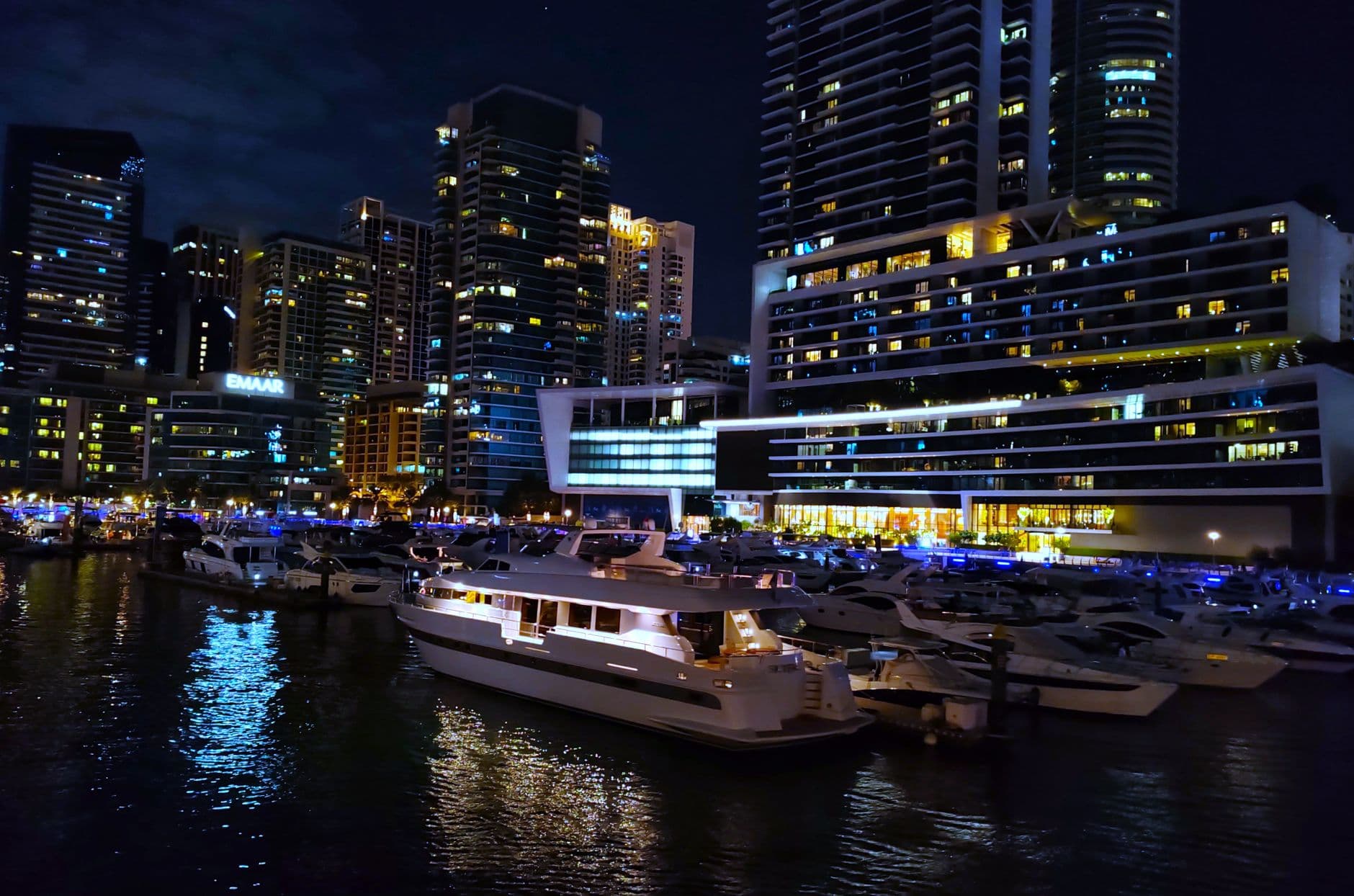
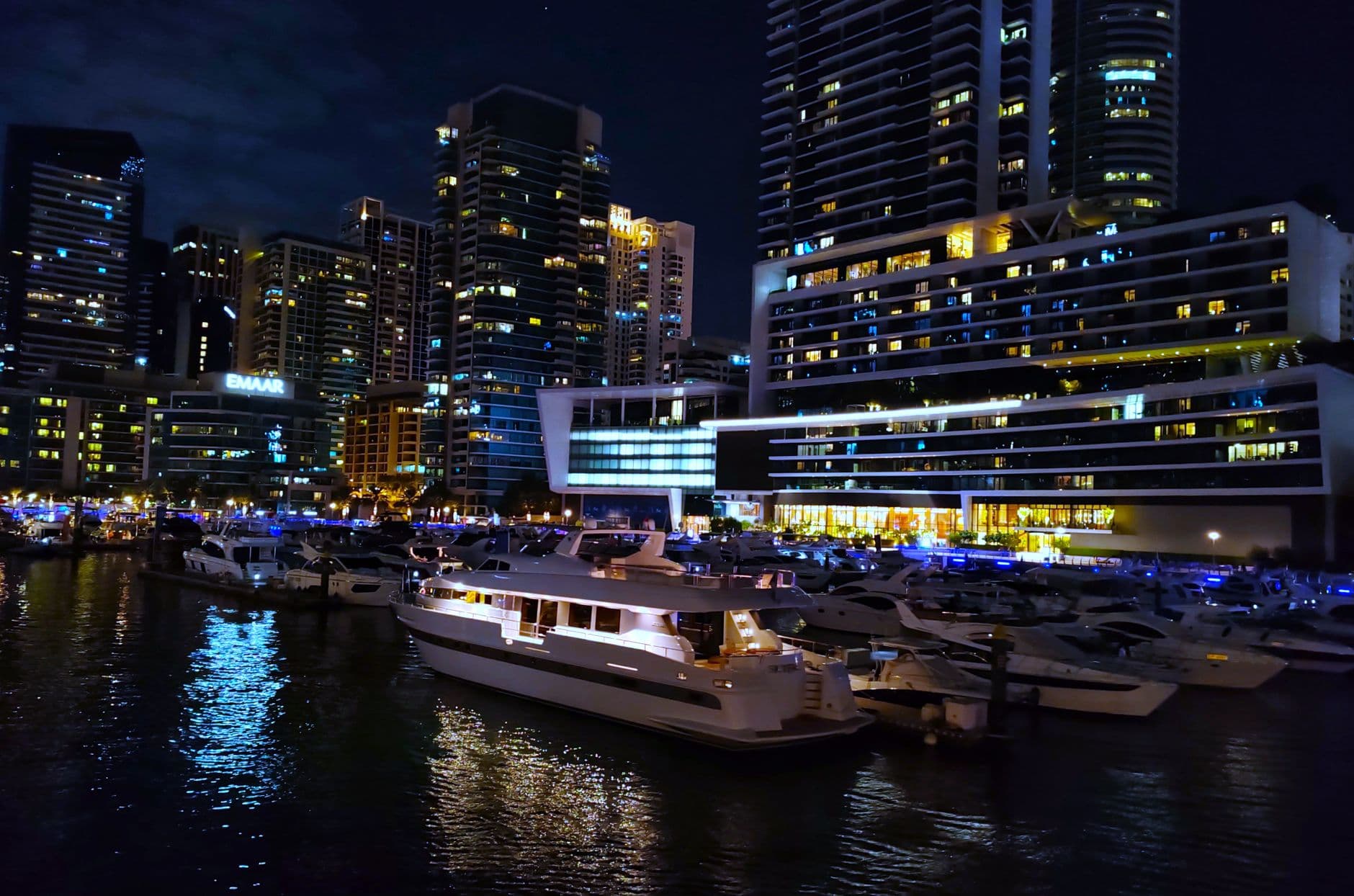
Housing is the second expense item after schooling. Dubai offers abundant rental supply, from studio in skyscraper to villa with private pool. Districts favored by French expats in 2026 include Dubai Marina (modern towers, marina walk, restaurants, nightlife), JBR (Jumeirah Beach Residence, beach access, families), Downtown Dubai (Burj Khalifa, Dubai Mall, prestige), Arabian Ranches and Springs (villas with garden, quiet, families with children), Business Bay (central, mix towers and mid-rise, young professionals).
Annual rents (payable in 1, 2 or 4 cheques depending on negotiation with landlord) vary greatly: studio 35,000-60,000 AED/year (approximately 9,000-15,000 EUR), 2-bedroom apartment 70,000-150,000 AED/year (18,000-38,000 EUR), 3-4 bedroom villa 150,000-400,000 AED/year (38,000-100,000 EUR) depending on district and standing. Charges (service charge, air conditioning, water, electricity) add up and can represent 10-20% of rent.
To rent, you must present: passport, residence visa (or valid entry visa if you just arrived, lease can be signed before obtaining resident visa), security deposit cheques (generally 5-10% of annual rent, returned at end of lease if no damages). Real estate agencies charge 5% of annual rent as commission (paid by tenant). Standard lease is 1 year renewable. Practical advice: during your first month, stay in hotel or Airbnb while visiting and choosing. Our concierge can connect you with trusted French-speaking real estate agents.
Local Driving License and Vehicle Rental
The French driving license is accepted in the Emirates for the first 6 months following your entry (with international permit recommended). Beyond that, you must obtain an Emirati driving license. Good news for French nationals: France is on the list of countries benefiting from direct exchange (no driving re-examination). You simply take a theory test (UAE road code, available in French in some centers), an eye test, and receive your local license within 1-2 weeks. Required documents: passport, residence visa, Emirates ID, original French license with certified translation, photo, eye test performed on site. The Emirati license costs approximately 1,000-1,500 AED all included (RTA fees, translation, tests).
While waiting for your local license (or if visiting less than 6 months), you can rent a vehicle with your valid French license and international permit. Dubai Small offers a fleet of premium 2025-2026 vehicles (Lamborghini Urus, Ferrari 296 GTB, Rolls-Royce Cullinan, Brabus G900, Mercedes S-Class, Range Rover, etc.) with clear conditions: 250 km/day included (excess charged 10-45 AED/km depending on model), free hotel delivery from 3 days rental (hours 10am-10pm, midnight for Downtown/Marina hotels), mandatory security deposit (cash, card or crypto, held 21-28 days for fines), physical driving license mandatory (a photo is not enough, police confiscate vehicle in case of control without physical license).
To buy a new or used vehicle, you will need your Emirates ID, local insurance (comprehensive or third party) and your Emirati license. Registration is done via RTA (Roads and Transport Authority). Check our vehicle catalog to discover the available fleet.
Children Schooling: French and International Schools
Dubai counts several establishments following the French curriculum approved by AEFE: Lycee Francais International Georges Pompidou (LFIGP, the oldest and most reputed, Oud Metha and Academic City campuses), Lycee Libanais Francophone Prive (LLFP, Lebanese-French curriculum), AFLEC (Association Franco-Libanaise pour l'Education et la Culture, several campuses). School fees for 2025-2026 range between 20,000 and 45,000 AED per year per child depending on level (kindergarten cheaper, high school more expensive) and establishment. These amounts do not include registration fees (non-refundable, 500-2,000 AED), uniforms, school transport, canteen and extracurricular activities.
Waiting lists can be long, especially at LFIGP. Register your children as soon as you have your residence visa (child's Emirates ID is necessary to finalize registration). Some British, American or IB (International Baccalaureate) international schools are also very popular with French families seeking bilingual or English-speaking curriculum: GEMS, Repton, Dubai British School, etc.
The school calendar follows the French model (September start, Toussaint, Christmas, winter, spring, summer breaks) for French schools, or the Anglo-Saxon model (late August/early September start, short breaks in October, December, February, Easter) for international ones. Plan 2-3 months ahead for registration procedures.
Opening a Bank Account and Managing Your Finances
Opening a local bank account greatly facilitates daily life (rent payment, salaries, school fees). Main UAE banks are Emirates NBD, ADCB (Abu Dhabi Commercial Bank), Mashreq, ENBD, FAB (First Abu Dhabi Bank), RAKBank, CBD (Commercial Bank of Dubai). To open an account, you must present: Emirates ID, passport, residence visa, proof of address (lease contract or accommodation certificate), sometimes a letter from your employer or freezone (salary certificate or business license).
Some banks request a minimum deposit (5,000-25,000 AED depending on account type). Basic current accounts are often free if you maintain a minimum balance, otherwise monthly fees apply (25-75 AED/month). International transfers (to France) are easy but include fees (25-50 AED per SWIFT transfer) and an exchange rate applied by the bank. Compare offers: some online banks (Liv by Emirates NBD, CBD NOW) offer 100% digital accounts without fees.
Regarding taxation, remember that the Emirates apply no personal income tax (0% IR). However, as UAE tax resident, you must verify your obligations in France (tax disconnection, residence change declaration, possible bilateral conventions). Consult a Franco-Emirati tax specialist to secure your situation.
Daily Life and Integration in Dubai
Expat relocation is not just administrative procedures. Integration goes through local culture discovery, social codes respect (decent dress in public places, no alcohol outside licensed venues, Ramadan respect) and social network building. Dubai counts an important active French-speaking community: associations (Francais du Monde ADFE, French Business Council), Facebook groups (Francais a Dubai, Mums in Dubai, French Expats UAE), cultural events (Alliance Francaise, cinema screenings, concerts).
Leisure activities are abundant: public and private beaches (La Mer, Kite Beach, JBR, beach clubs), desert safari, yacht or jet ski rental, golf, padel, fitness (gym in almost every residence), restaurants from around the world, air-conditioned shopping malls, water parks (Aquaventure Atlantis, Wild Wadi), indoor skiing (Ski Dubai). Explore our premium activities to discover Dubai differently (private yacht, jet ski, helicopter tour).
The overall cost of living is comparable to Paris for food and leisure, but housing and schooling represent major items. Indicative monthly budget for a 3-4 person family: housing 5,000-15,000 AED, school 3,000-8,000 AED/child (spread over 12 months), food and supermarket 3,000-5,000 AED, outings and leisure 2,000-5,000 AED, car (if purchase or leasing) 2,000-4,000 AED, health insurance (often covered by employer or freezone) 500-1,500 AED/person. Total: 15,000 to 40,000 AED/month (approximately 4,000 to 10,000 EUR) depending on standing.
Health Insurance and Medical System
Health insurance is mandatory in Dubai to obtain or renew your residence visa. If you are employed, your employer must provide insurance compliant with DHA (Dubai Health Authority) standards. If you create your company, your freezone sometimes includes basic insurance in the visa package, or you must subscribe to private insurance.
Main insurance companies in the Emirates are Daman, AXA Gulf, Cigna, Bupa, MetLife, Oman Insurance, Alliance. Coverage levels vary: essential (primary care and emergencies, limited network hospitals), enhanced (specialists, extended network, basic dental and optical), comprehensive (all care, premium hospitals, maternity, complete dental, worldwide coverage). Annual premiums range from 2,000 AED (essential adult) to 15,000 AED and more (comprehensive family with children).
The medical system in Dubai is private, modern and very high quality. Reference hospitals: American Hospital Dubai, Mediclinic, Saudi German Hospital, Aster, Burjeel, Emirates Hospital. Consultations are expensive without insurance (300-800 AED specialist consultation), hence the importance of good coverage. Short appointment delays (often under 48h), no mandatory GP (you directly consult the specialist of your choice in your insurance network).
Common Mistakes to Avoid During Expat Relocation
Several recurring pitfalls slow down or complicate newcomers' installation. First trap: arriving without residence visa arranged in advance. You can enter as tourist to prospect, but do not sign a lease, do not enroll your children in school and do not buy a car before having at minimum launched the resident visa process (company or employment contract in progress). Second trap: underestimating timelines. Between company creation, visa obtaining, medical, Emirates ID and driving license, count 2 to 3 months minimum. Budget for hotel or short-term rental for this transition period.
Third trap: choosing the wrong freezone for economy without checking authorized activities or included services. A low-cost freezone can generate banking blockages (some banks refuse clients from poorly reputed freezones) or complications for certain commercial contracts. Get supported by experts who know each zone's subtleties. Fourth trap: neglecting French tax disconnection. Simply leaving is not enough: inform the tax center, transfer your tax domicile, verify conventions to avoid double taxation.
Fifth trap: renting too expensive accommodation upon arrival. Take time to compare districts, test home-office-school commutes before committing to a non-cancellable annual lease. Sixth trap: ignoring traffic and parking rules. Dubai applies a radar and automatic camera system: fines arrive by SMS, accumulate and block your registration renewal if unpaid. Seventh trap: driving without physical license. Police confiscate the vehicle and impose heavy fine (5,000 AED minimum, impound, license suspension). Always have original license on you, never just a photo.
Why Choose Dubai Small for Your Expat Relocation
Successful Dubai expat relocation requires time, energy and fine knowledge of procedures. Dubai Small simplifies every step: we handle your freezone company creation (zone choice, file assembly, follow-up to license), your residence visas and Emirates ID obtaining (for you and your family), connection with French-speaking accountants and lawyers, support for bank account opening, and even premium vehicle rental during your installation.
Our approach is 100% transparent: no hidden fees, a single French-speaking contact on WhatsApp, realistic timelines and personalized follow-up. We know French nationals' specificities (dual nationality, children enrolled in French curriculum, need for tax specialist, quality service expectations) and adapt our solutions accordingly. Whether you come alone, as couple or family, whether you are entrepreneur, freelancer, investor or relocating employee, we build a tailored installation plan.
Contact us today on WhatsApp +1 505 303 0893 for a free first consultation. We answer in French, analyze your project and offer turnkey support. Join the thousands of French nationals who chose Dubai in 2026 and enjoy exceptional living environment, attractive taxation and unique professional opportunities. Your new life in the Emirates starts now.
Frequently asked questions
What visa is needed to relocate to Dubai in 2026?
To relocate to Dubai beyond 90 days, you must obtain a residence visa, valid 2 or 3 years depending on type. The four main routes are: freezone company creation (entrepreneur visa with 1 to 3 visas included depending on package), hiring by local company (employee visa sponsored by employer), qualifying real estate purchase (minimum 2 million AED, approximately 500,000 EUR) or Golden Visa (investment 2 million AED minimum). The most popular route remains freezone, offering independence and tax advantages.
How long does the complete Dubai expat relocation process take?
The complete Dubai expat relocation process takes 2 to 3 months minimum. Freezone company creation: 1 to 3 weeks. Visa and Emirates ID application: 1 to 2 weeks. Mandatory medical fitness test (blood test, X-ray): 1 day. Emirates ID issuance: 1 to 2 weeks. Local driving license (for French nationals, direct exchange without driving re-exam): 1 to 2 weeks after receiving Emirates ID. Plan temporary accommodation (hotel or short-term rental) for this transition period.
What are the most popular freezones for French expats in 2026?
The most chosen freezones by French nationals in 2026 are IFZA (Dubai, excellent value for money, ideal freelancers and consultants), DMCC (Dubai, international prestige, banking facilitation, premium headquarters), Meydan (Dubai, flexible for consulting and service activities), RAKEZ (Ras Al Khaimah, economical, good for e-commerce and trading) and SHAMS (Sharjah, specialized media and creative). Each freezone authorizes specific activities and offers varied visa packages. Choice depends on your business sector, budget and prestige need. Dubai Small guides you toward the freezone adapted to your project.
Can I rent a car in Dubai with a French driving license?
Yes, you can rent a car in Dubai with your valid French driving license and an international permit (recommended) during the first 6 months following your UAE entry. Beyond 6 months, you must obtain an Emirati driving license. For French nationals, the procedure is simplified: direct exchange without driving re-examination, only a theory test (UAE code, available in French), eye test and certified translation of French license. The original physical license is mandatory during rental and driving (a photo is not enough, risk of vehicle confiscation and 5,000 AED fine).
What are Dubai Small's vehicle rental conditions?
Dubai Small offers premium 2025-2026 vehicles with clear conditions: 250 km/day included (excess charged 10-45 AED/km depending on model), free hotel delivery from 3 days rental (hours 10am-10pm, midnight for Downtown/Marina), mandatory security deposit (cash, card or crypto, held 21-28 days for possible fines), physical driving license mandatory (never just a photo), smoking prohibited (automatic 2,500 AED fine), vehicle return with same fuel level. Valid French license with international permit is enough for the first 6 months of stay.
How much does schooling cost for French children in Dubai in 2026?
AEFE-approved French schools in Dubai (Lycee Francais International Georges Pompidou, LLFP, AFLEC) charge between 20,000 and 45,000 AED per year per child for 2025-2026, depending on level (kindergarten cheaper, high school higher) and establishment. This amount does not include registration fees (500-2,000 AED non-refundable), uniforms, school transport, canteen and extracurricular activities. Waiting lists can be long, especially at LFIGP. Register your children as soon as you have your residence visa and child's Emirates ID.
Do I pay income tax in Dubai as French expat?
No, the United Arab Emirates apply no personal income tax (0% IR), regardless of your nationality. As UAE tax resident, you do not pay tax on your salaries, personal dividends or private rental income. However, you must manage your tax disconnection with France (residence change declaration, bilateral conventions verification) to avoid double taxation. Consult a Franco-Emirati tax specialist to secure your situation before and after installation. Corporate tax (9% on companies) applies to company profits beyond 375,000 AED, but does not directly concern your personal income.